Craster’s Monopoly: Control Beyond the Wall

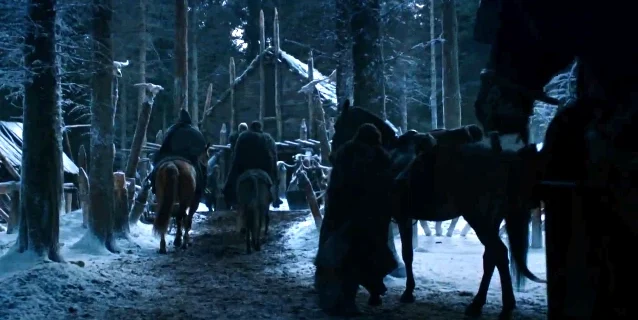
Season 2, Episode 4: Craster of Craster’s Keep has a monopoly on food and warmth beyond the wall, and uses that to extract a large payment (ignoring his horrible behavior) from the rangers/night’s watch who need a place to rest. To teach this concept in the classroom, click here for a lesson plan

Tyrion’s Belief on Self-Interest

Season 6, Episode 4: Tyrion Lannister explains to Grey Worm that he does not blindly trust their opponents and states “I don’t trust the men, I trust their self-interest.” This relates directly to the thinking of famed economist Adam Smith and his writing on self-interest and the foundations of markets in The Wealth of Nations. …

Arya’s Profit Journey

Season 5, Episode 8: Arya tells story of how she would reinvest her daily profits, first for a second bucket to bring to the market, then for a cart. This allowed Arya to bring more goods to the market and make great profits. Standard economic models show that with an increase in capital – which …

Arya Stark is Tipped

Season 5, Episode 9: Arya is an oyster saleswoman and for her good service receives the initial amount of money for the oyster plus a tip. Tipping is an economic phenomena that happens in many economies today and is seen as an incentive system for good service.

Iron Bank Demands: Cersei’s Struggle with Debt

Season 5, Episode 4: The Iron Bank of Braavos recalls 1/10 of the crown’s debts, but the kingdom can only afford to pay back half of that amount. Initially, Mace Tyrell offers to front the money, expecting the crown to pay it back later, but Cersei says no and seeks to renegotiate the terms of …

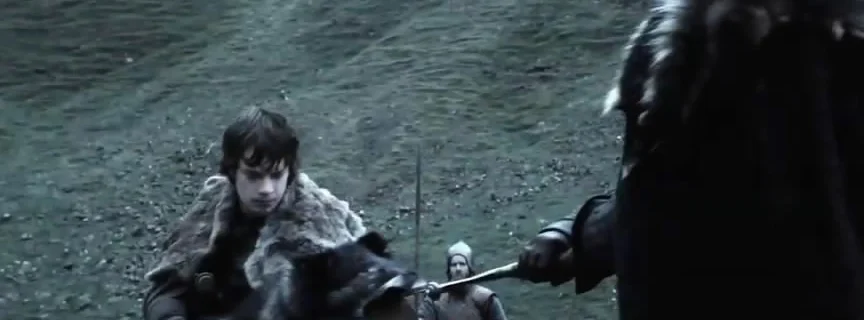
Markets vs. Plunder: Theon’s Case for Cooperation

Season 2, Episode 3: Theon argues for cooperation and gains from trade, his father argues for seizing land and not doing anything productive. This is a good example of how wealth was gained throughout history vs. how wealth is primarily gained now. Most of the rich people in the world now gain their wealth through …